Roadside guides you can use.
Short driver-focused walkthroughs of the breakdown jobs every Metro Atlanta driver should know. Each guide comes with step-by-step instructions and a clear line on when to stop and call a tow.
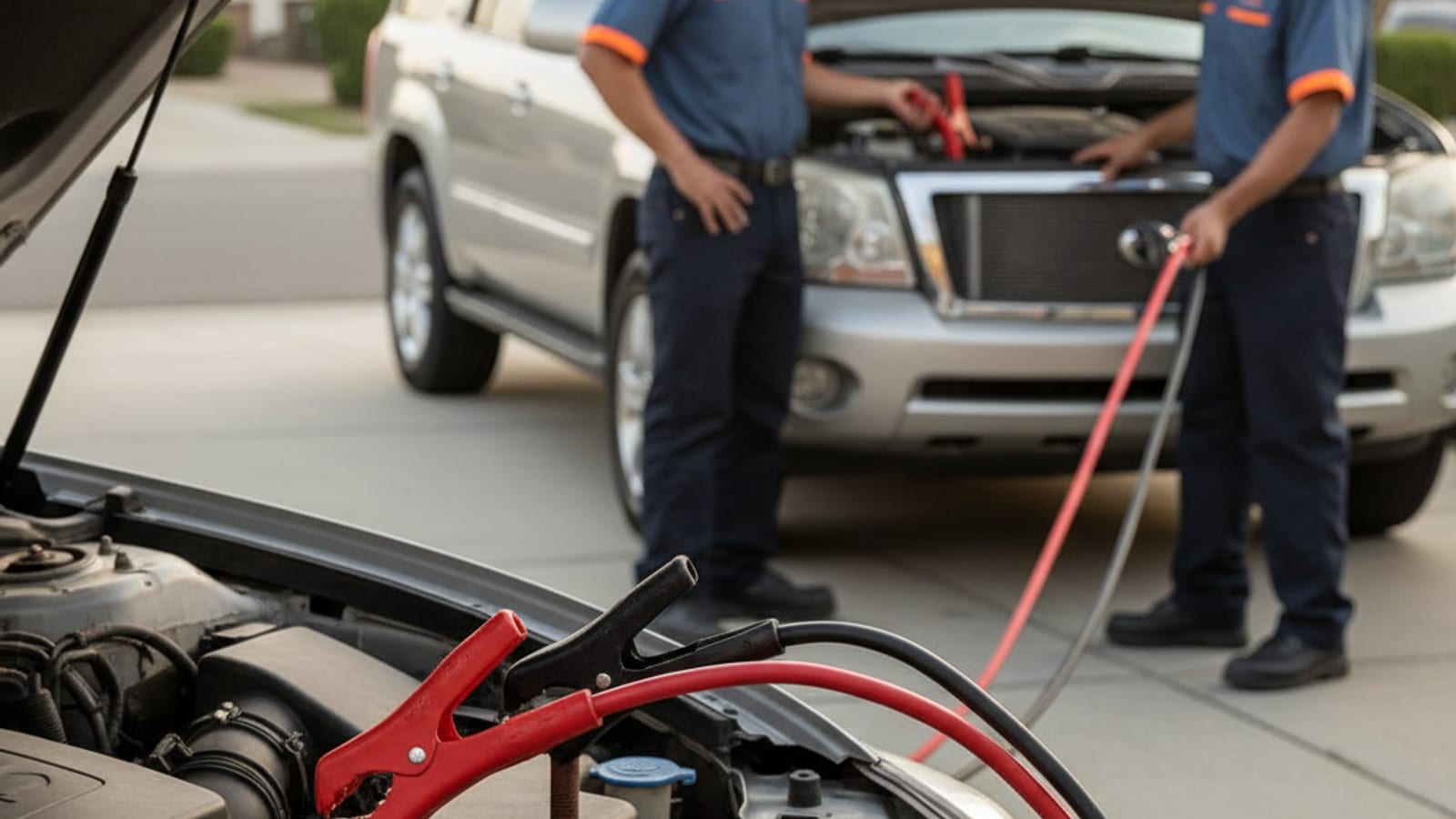
What roadside fixes can you handle yourself?
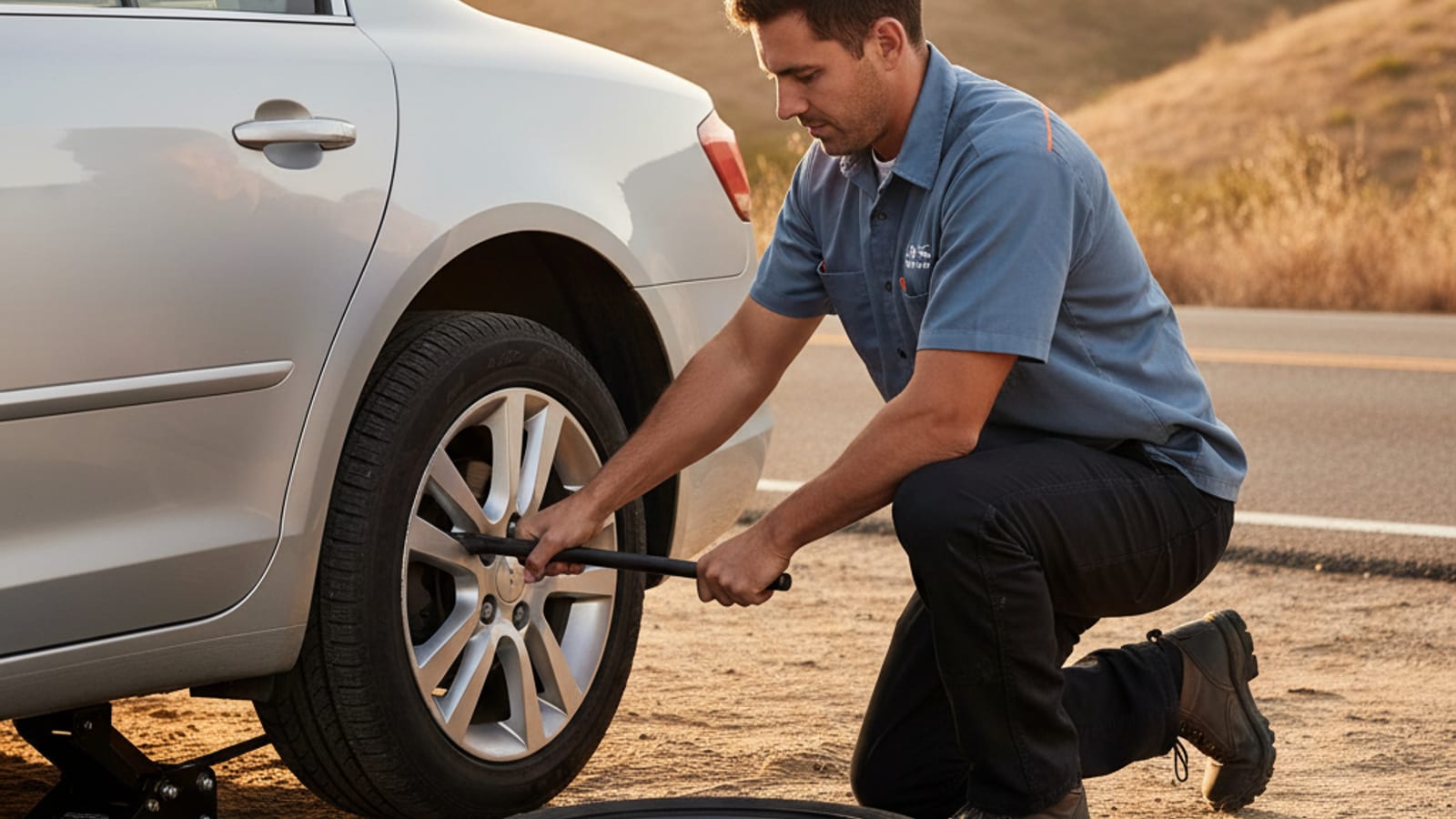
Change a flat tire on the side of the road
The difference between a 20-minute shoulder stop and an hour on the phone with a tow company is knowing where the spare and jack live before you need them.
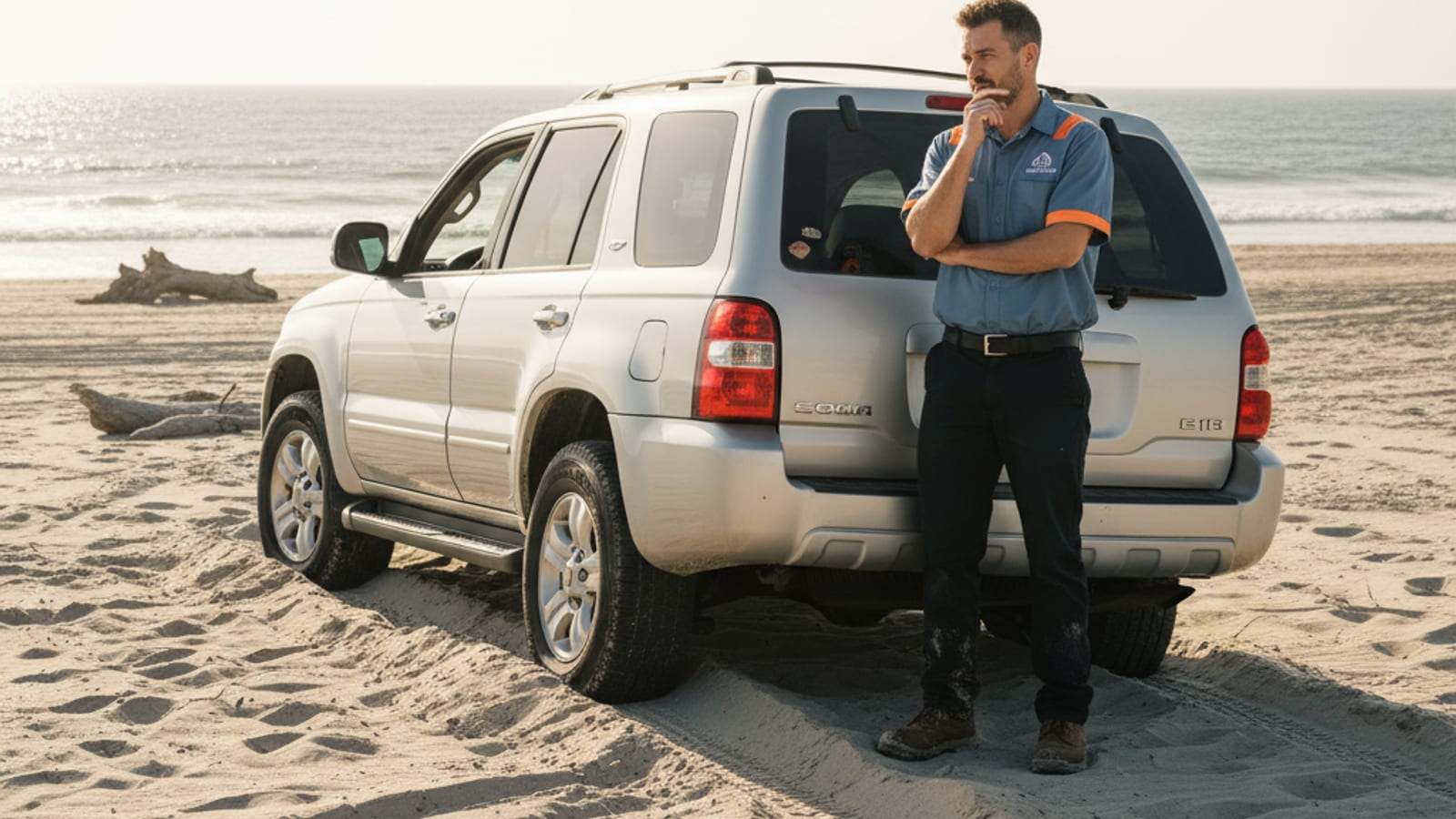
What to do if you slide on ice or hit a flooded road
Atlanta ice storms are rare, but they glaze bridges and ramps before flat roads, and a hard summer rain fills a low-lying road or underpass faster than it looks. First step: stop making it worse.
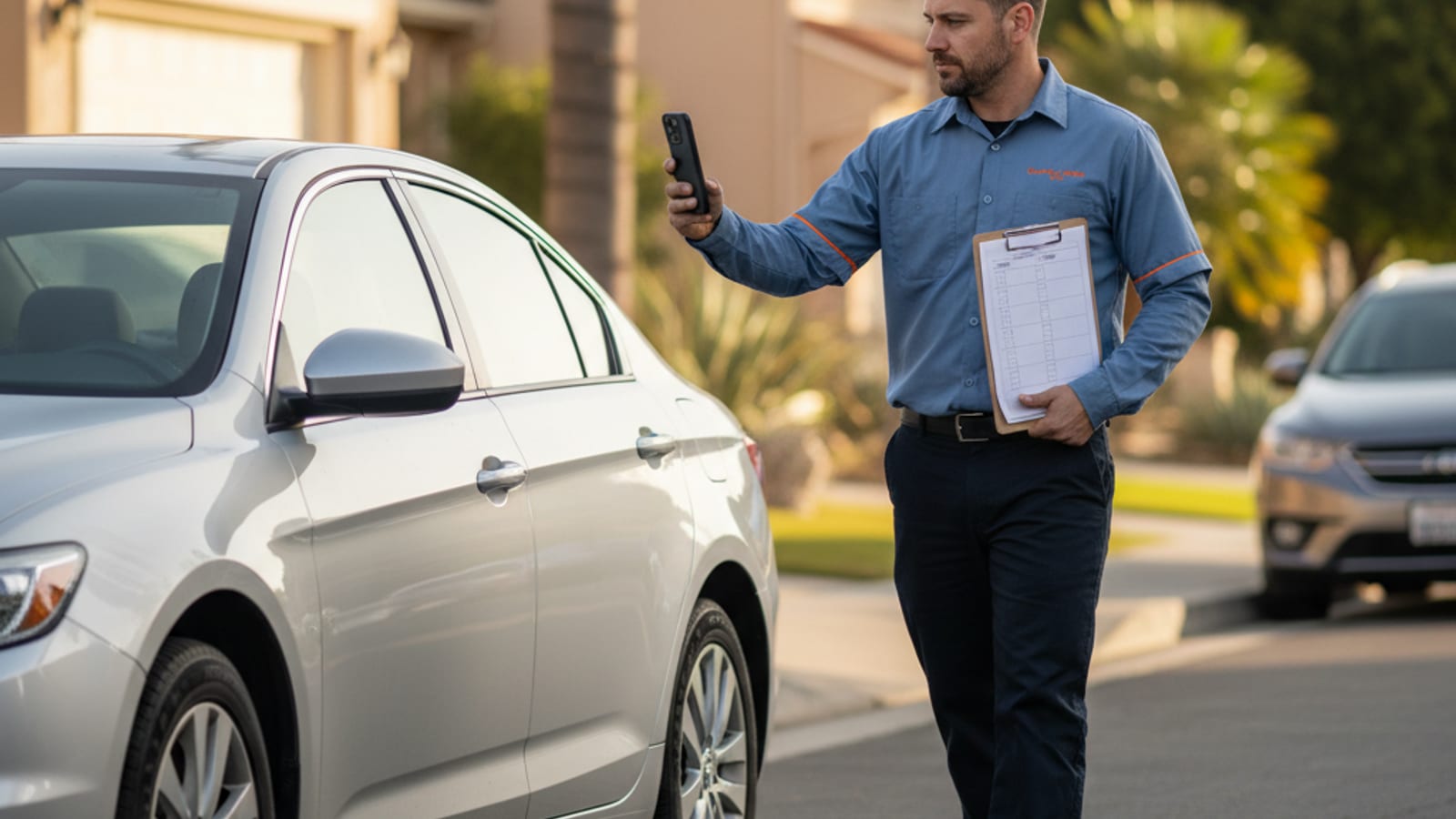
Prepare your vehicle for a tow
A few minutes of prep before the tow truck arrives saves time, avoids damage, and makes the whole call go faster.
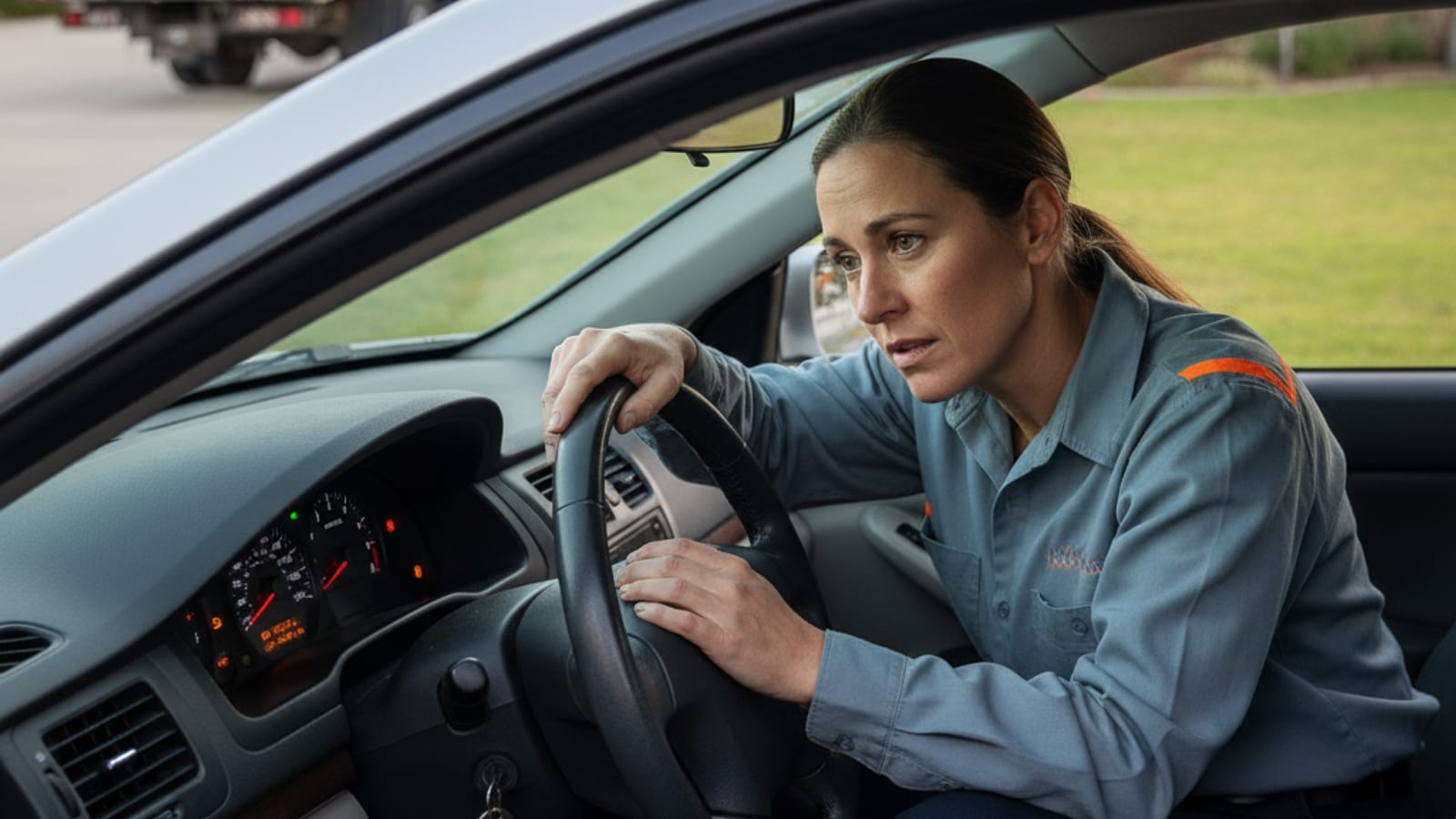
Car will not start - what to check first
Before calling for a tow, check five things first. Most of the time the car is fine and you just need a boost, a fuse, or a key that talks to the transponder.
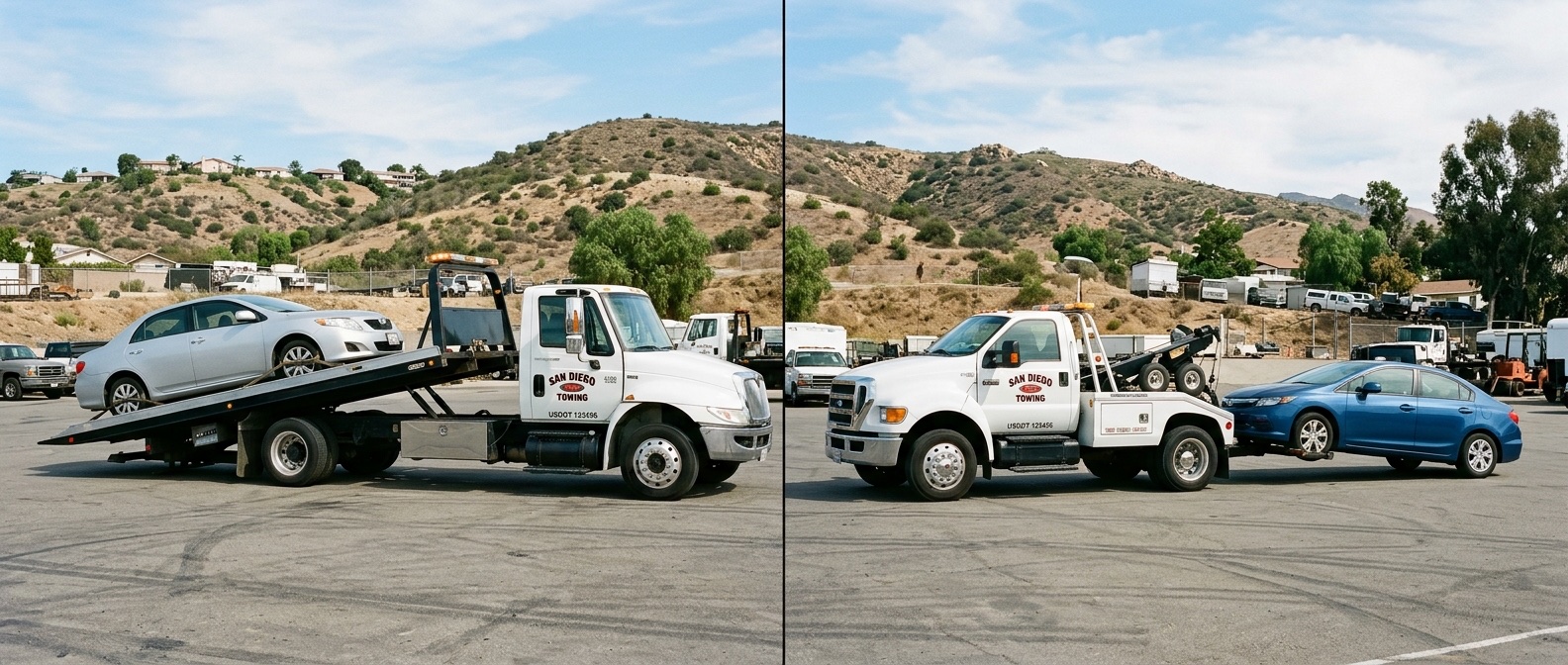
Flatbed vs wheel-lift towing: which is safer?
Both are legitimate tow methods, but the wrong one can wreck your car. Here's which method belongs on which vehicle, and when to refuse a wheel-lift.
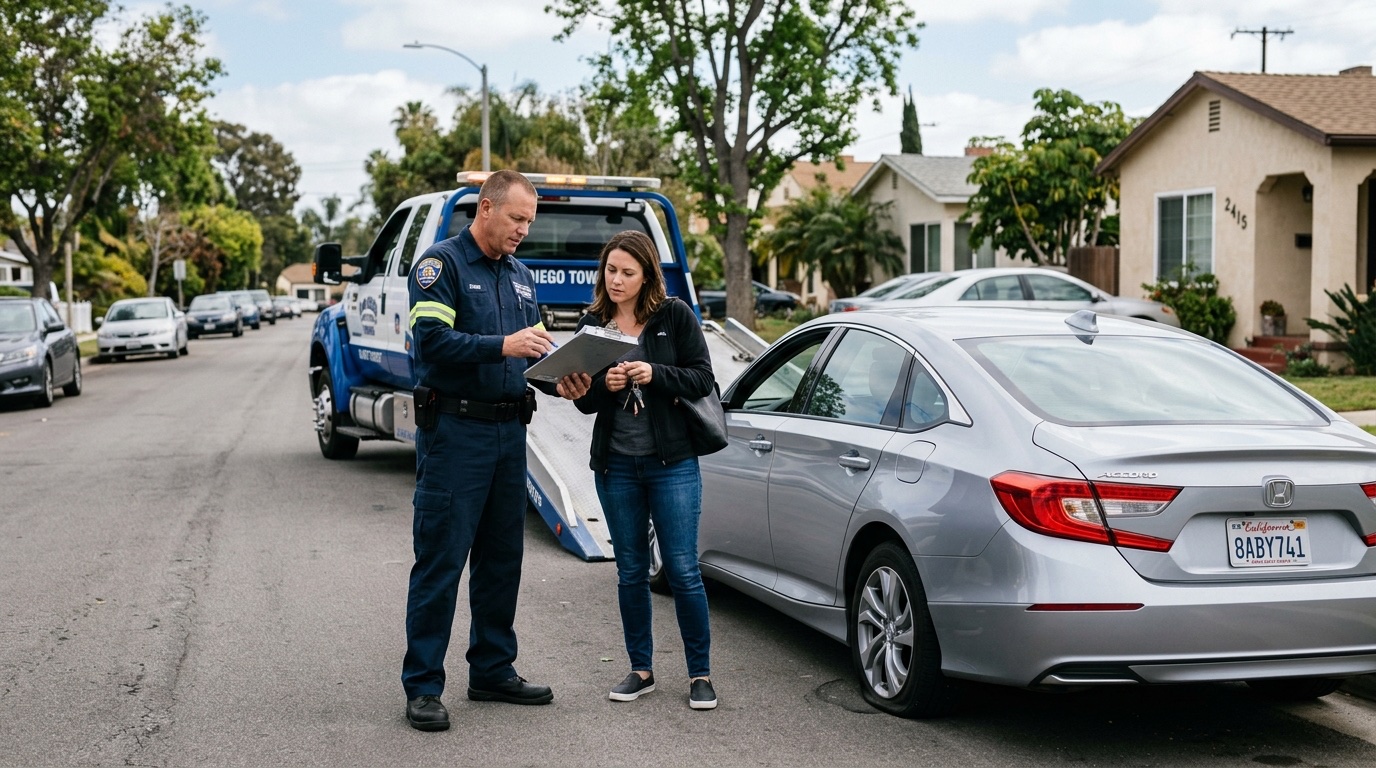
Can a tow truck refuse to take my car in Atlanta?
Yes, but only in specific situations, and which rules apply depends entirely on who ordered the tow. Here is when an operator can refuse, and what you are owed either way.
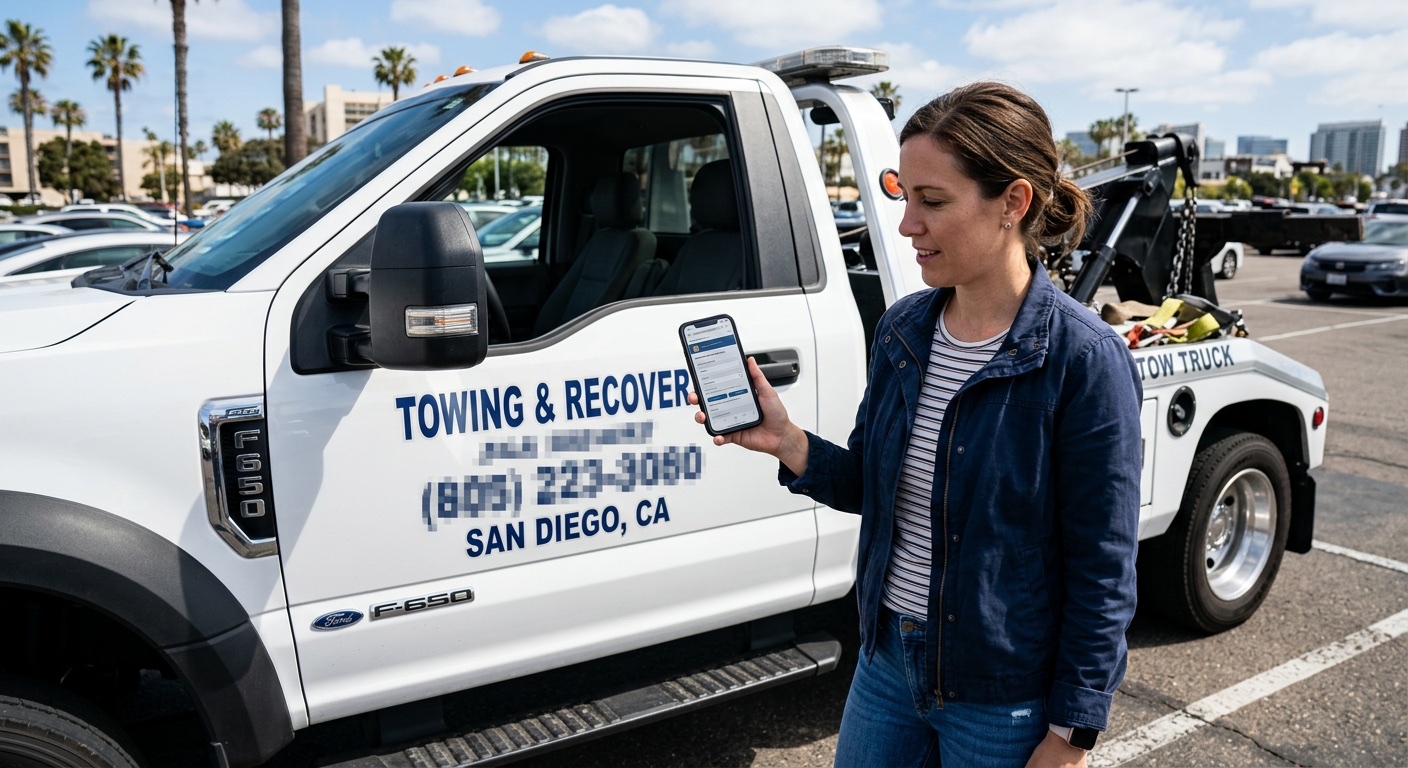
How to verify an Atlanta tow company is legitimate
Georgia regulates one kind of tow company closely and not the other, which trips people up. Here is what you can actually check, and it takes five minutes.
Compare a towing route before you call.
Use the towing cost calculator to organize pickup, destination, and distance details.
When should you stop and call a tow truck?
Six signs that the problem is past DIY. Turn the system off and pick up the phone - running a system with these issues turns cheap repairs into expensive replacements.
- You are on the shoulder of a busy corridor
The Downtown Connector, I-285, GA-400 and I-20 are among the most dangerous places in this metro to stand, especially on a ramp or an interchange like Spaghetti Junction with no usable shoulder. Stay in the vehicle with seatbelts on and hazards flashing, and let an operator position a truck with warning lights as a buffer before anyone gets out.
- The vehicle was in any collision
Even light collisions can damage suspension, brakes, or the steering rack in ways you cannot see. Drive it after an accident only if law enforcement clears the scene and the vehicle is visibly intact.
- Ignition or dashboard is smoking
Electrical fires can progress from smoke to flames in under a minute. Pull over if you can, turn the engine off, get out, and call 911 plus a tow.
- Smoke or steam from under the hood
Overheating or a serious oil/coolant leak. Continuing to drive can cause a seized engine, a repair that costs far more than a tow. Pull over safely and call for a tow.
- Vehicle is AWD, 4WD, or electric and the drive wheels will not spin freely
Dragging an AWD or EV on a wheel lift destroys the drivetrain. Always flatbed - no exceptions. Leave your make and model when you call.
- The road is icy or you are stuck on a flooded road
Atlanta ice glazes bridges, ramps and overpasses before flat roads, and a low-lying road or underpass fills faster and deeper than it looks in a hard summer rain. Ice is rare here, which is why the metro has little treatment capacity and a single storm strands cars across the interstates, the way the 2014 ice event did. Wait for a winch-out rather than trying to drive out of either one.
What towing laws and safety resources are available?
O.C.G.A. § 44-1-13 - Georgia private-property towing law
The Georgia statute that governs non-consensual towing from private property: signage within 50 feet of each entrance, the ban on automatic lot surveillance, the ban on kickbacks, the requirement to release a vehicle before it is hooked if the owner returns, and the $1,000 fines behind those rules.
Georgia Secretary of StateGeorgia DPS Maximum Rate Tariff No. 5 - Ga. Comp. R. & Regs. 570-38-7
The Georgia Department of Public Safety rules setting the maximum non-consensual tow rates: for a vehicle at or under 10,000 pounds, a $228 tow cap, $33 a day storage, no storage for the first 24 hours, and a $91 notification cap.
Georgia Department of Public SafetyGeorgia Department of Public Safety - Non-Consensual Towing
The regulator for private-property towing in Georgia. It issues the non-consensual towing permit, sets the maximum rate tariff, and is where a complaint about an unlawful private-property tow belongs.
City of AtlantaCity of Atlanta - Towing and Impound (Code § 162-227)
The City of Atlanta ordinance capping the towing fee at $125 with no storage charge for the first 24 hours, an all-inclusive fee with no surcharge for cash, check, debit or major card. Atlanta Police assign a contract wrecker by police zone.
DeKalb CountyDeKalb County - Vehicle Impound
DeKalb County releases impounded vehicles from the county lot at 2158 Tucker Industrial Rd in Tucker, at a $125 impound fee plus $15 a day storage.
Fulton CountyFulton County Marshal - Vehicle Impound
In Fulton County, impounded vehicles are released from the Marshal admin office at 185 Central Ave SW downtown, not from the tow yard. The office is open Monday to Friday.
Georgia Department of TransportationGDOT HERO - Highway Emergency Response Operators
The Georgia DOT patrol that works the metro Atlanta freeways clearing hazards, setting up safe lane closures and helping stranded drivers. HERO units are often first on scene, but they do not repair or tow your vehicle to a shop.
Still stranded? Call the line.
If the guide didn't get you moving, we can. The line takes calls 24/7.