Change a flat tire on the side of the road
The difference between a 20-minute shoulder stop and an hour on the phone with a tow company is knowing where the spare and jack live before you need them.
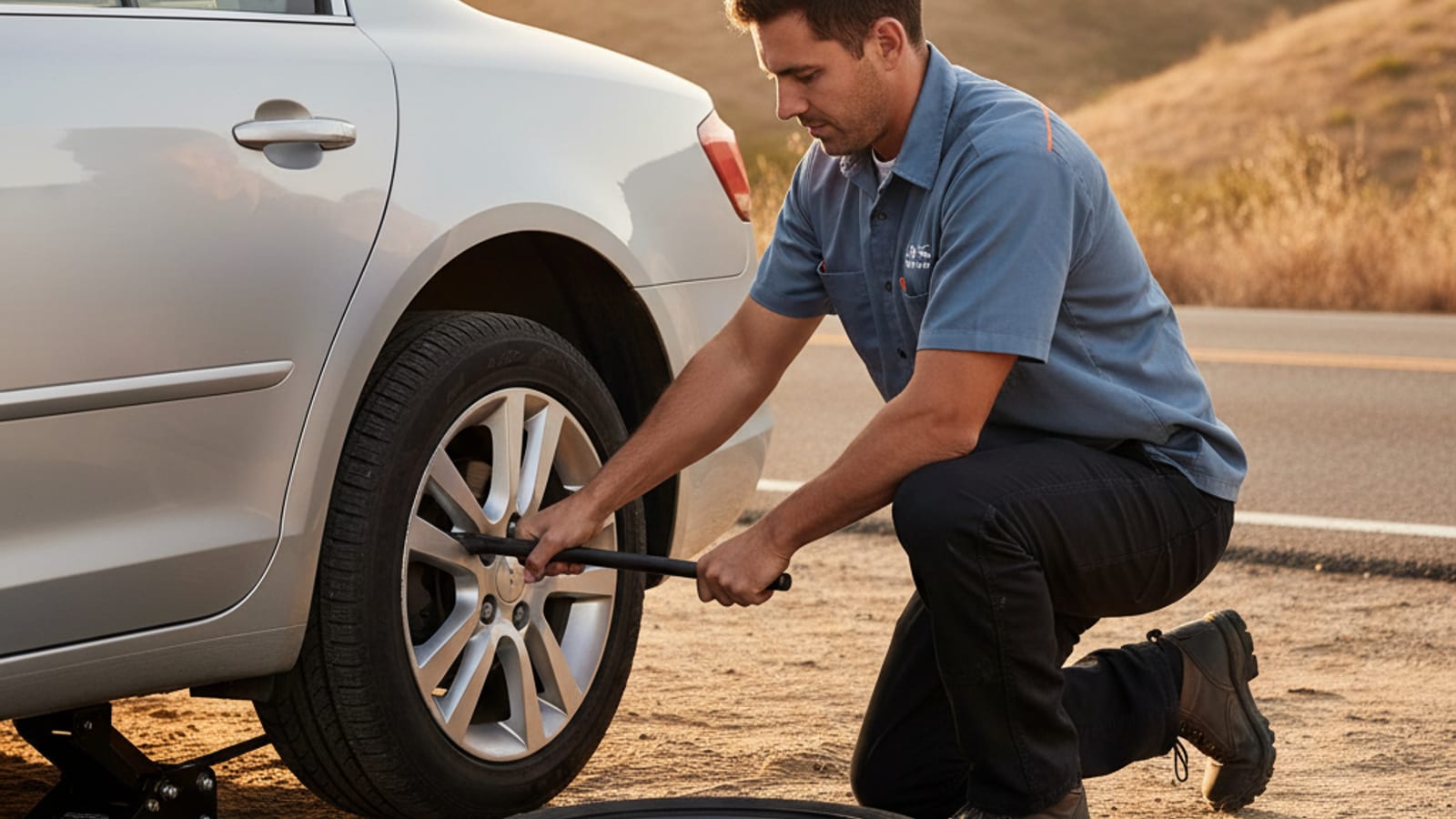
What you'll learn
- Why the traffic-side of a vehicle is the dangerous side for a DIY change
- Where the jack point is on most modern vehicles (check the owner's manual)
- The correct lug-nut loosening pattern (star/cross, not circle)
- When to call for a tow instead - highway shoulders, curbs without room, or damaged sidewalls
Step by step
- Pull off into a safe flat spot - away from traffic, off a shoulder if possible.
- Set the parking brake. Turn on hazard lights. Put the transmission in park (or 1st gear on manual).
- Loosen the lug nuts half a turn each before jacking - while the tire is still on the ground.
- Position the jack at the factory jack point under the frame. Raise until the tire is 1-2 inches off the ground.
- Remove the lugs, swap the flat for the spare, hand-tighten lugs in a star pattern.
- Lower the car fully. Torque the lugs in the same star pattern.
- Drive directly to a tire shop. Most spares are rated for 50 mph max, 70 mile range.
If you are on the shoulder of the Downtown Connector, I-285, GA-400 or I-20, call for a tow to a safe lot instead. The metro Atlanta interstate system carries some of the heaviest traffic in the Southeast, and on stretches like the Connector and the Perimeter there is little or no usable shoulder, so a roadside tire change there is genuinely dangerous. GDOT runs the HERO units, the Highway Emergency Response Operators who patrol the metro freeways clearing hazards and helping stranded drivers, and because they patrol constantly they are often first on scene. They do not change your tire and they do not tow you to a shop.
Rather have a pro handle it?
Towing and roadside service across Metro Atlanta. One local line, taking calls 24/7.
Keep learning.
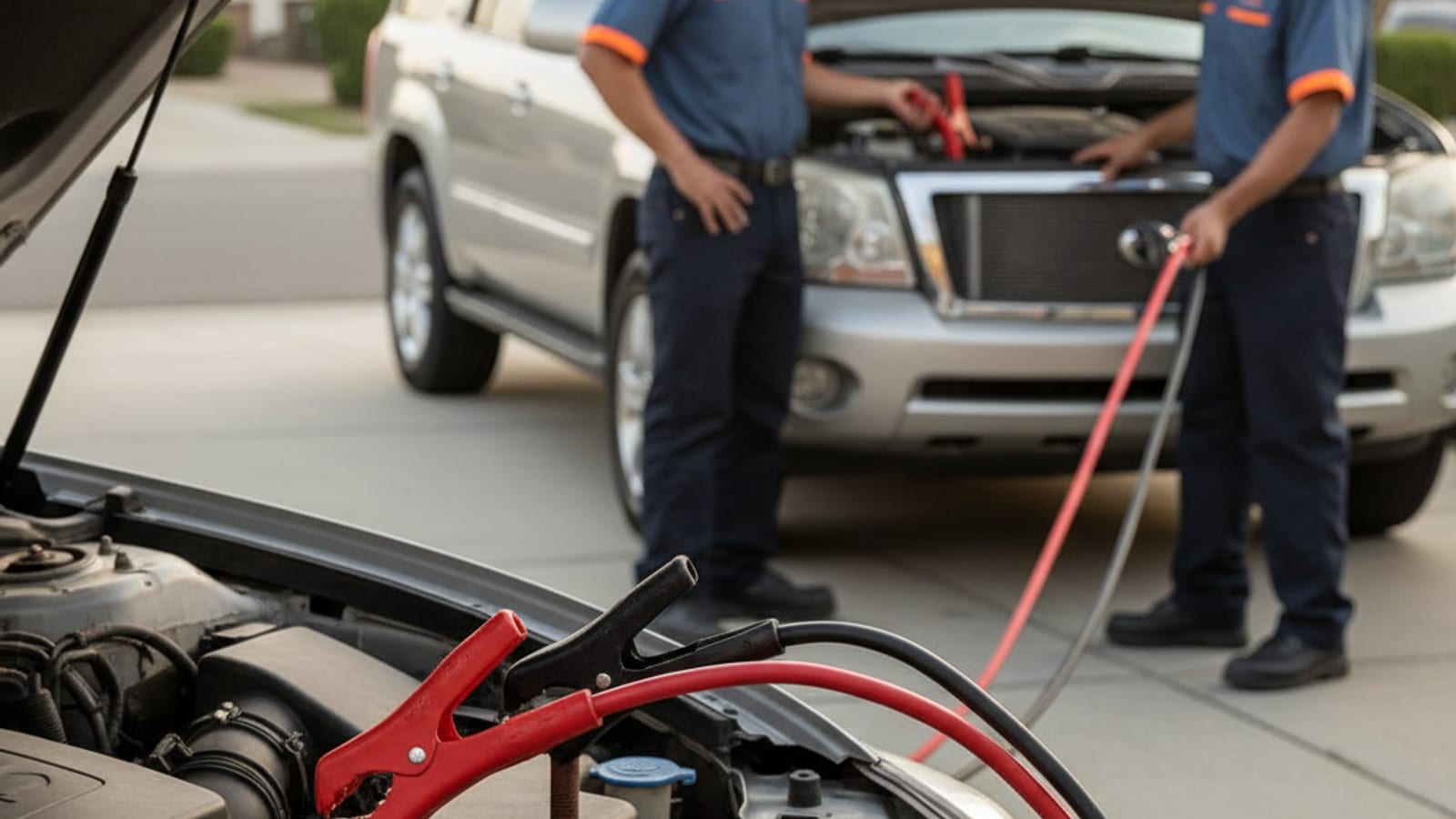
Jump-start a dead battery safely
Jumper cables are simple until you hook them wrong. Do it right and you'll avoid sparks, ruined electronics, and a tow you didn't need.
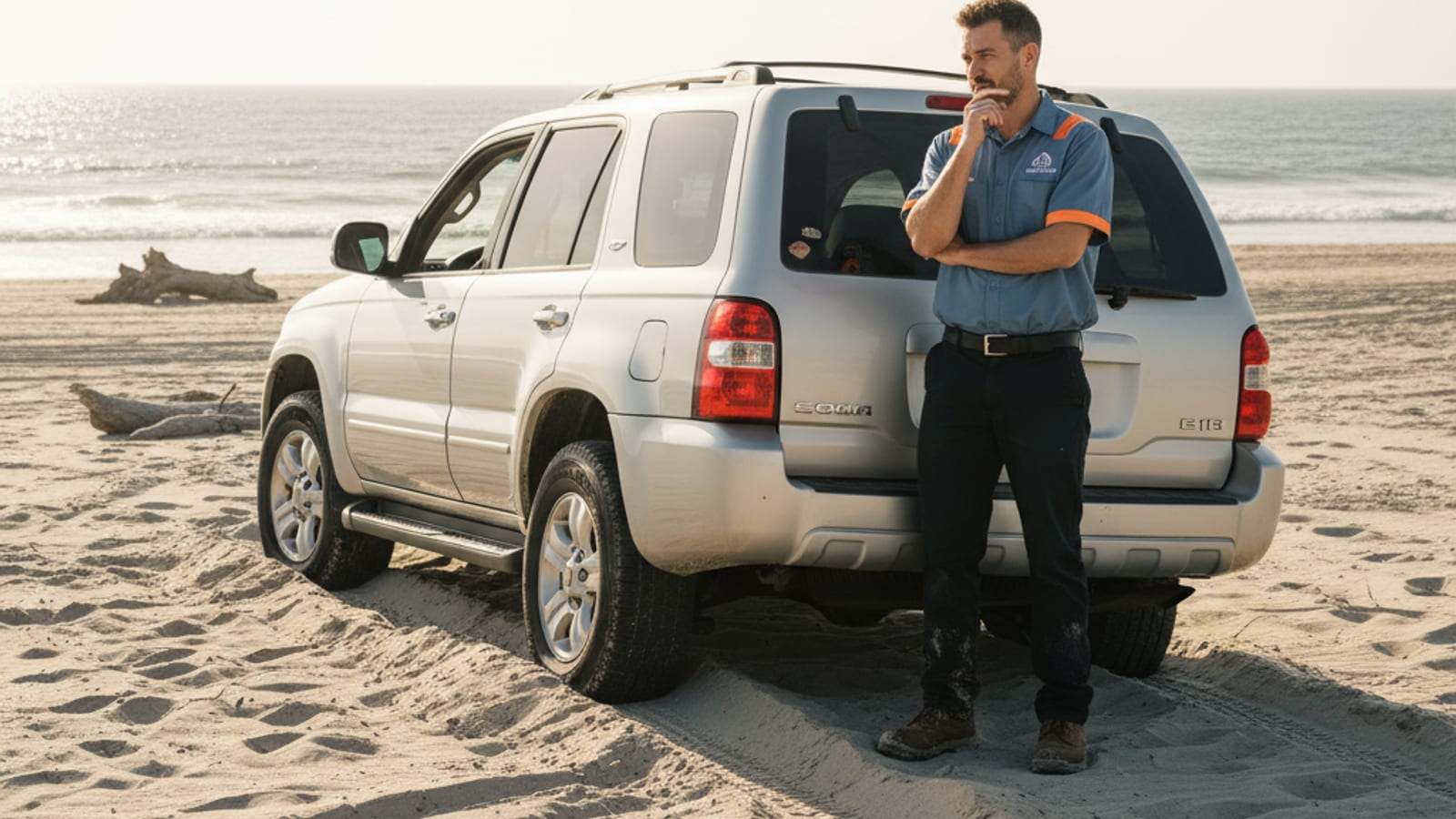
What to do if you slide on ice or hit a flooded road
Atlanta ice storms are rare, but they glaze bridges and ramps before flat roads, and a hard summer rain fills a low-lying road or underpass faster than it looks. First step: stop making it worse.
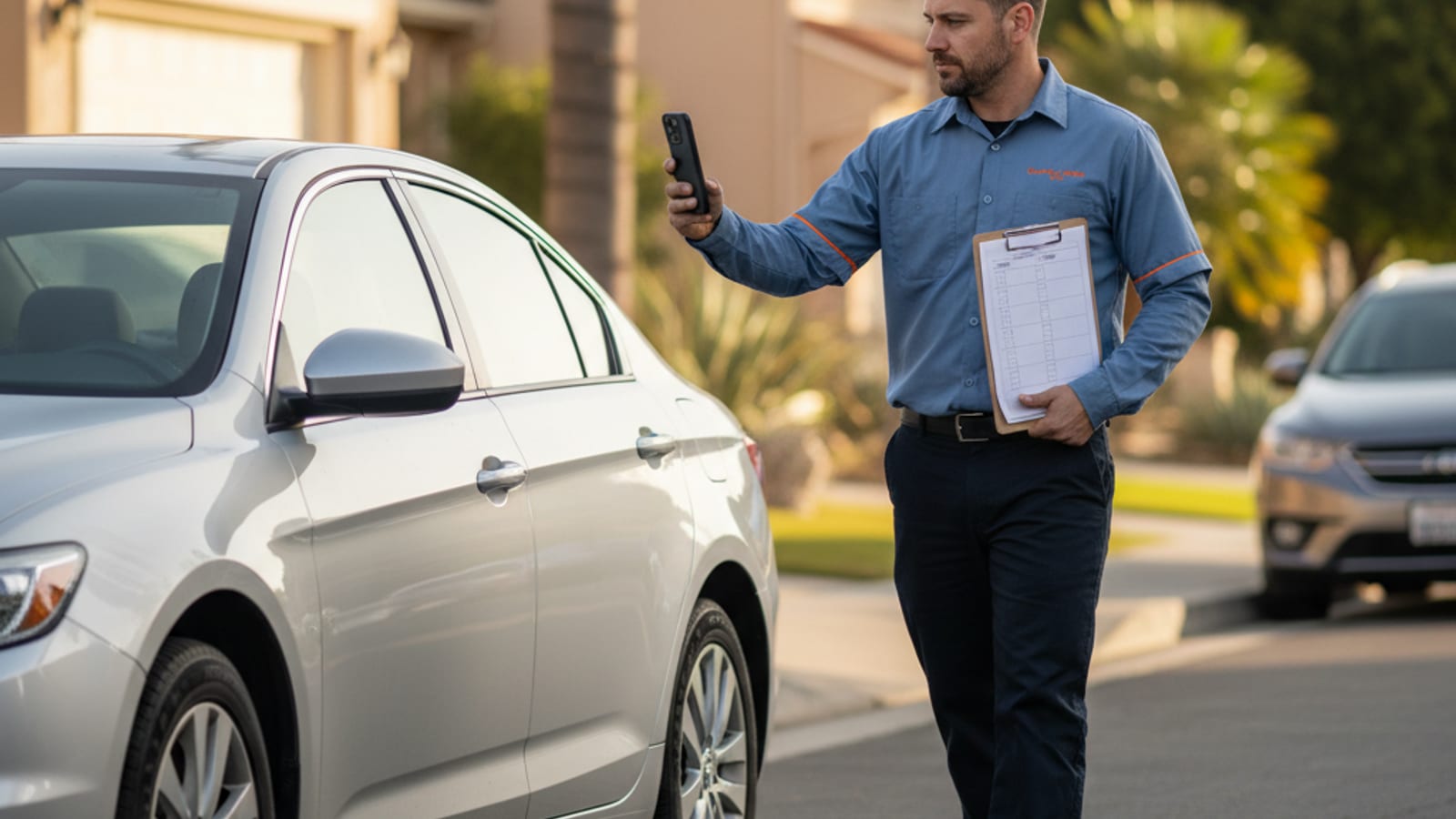
Prepare your vehicle for a tow
A few minutes of prep before the tow truck arrives saves time, avoids damage, and makes the whole call go faster.